

Is Handmade Soap Better Than Commercial Soap?
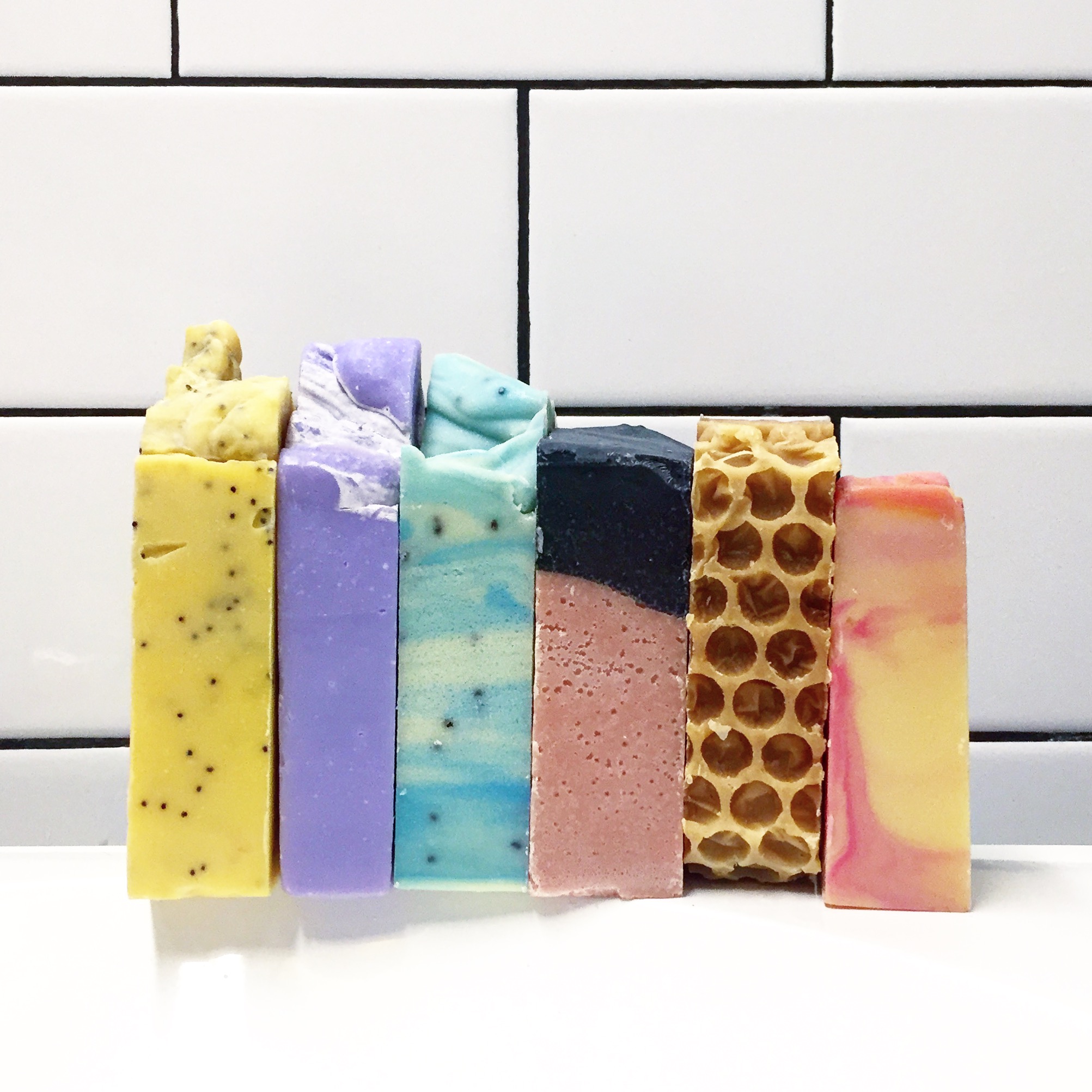

For many people, switching to handmade soap starts with a simple question: is it actually better than the soap you find at the grocery store?
The short answer is that handmade soap is often gentler on skin and made with higher-quality ingredients. But the difference goes deeper than that. Understanding how soap is made helps explain why so many people prefer artisan bars.
What Is Handmade Soap?
Handmade soap is created using traditional soapmaking methods that combine oils and lye in a process called saponification. During this process, oils transform into soap and naturally produce glycerin, a compound that attracts moisture to the skin.
Most artisan soapmakers use a technique called cold process soapmaking, where oils, butters, botanicals, and scents are blended and poured into molds. The soap then cures for several weeks before it is ready to use.
This curing time allows the bar to become harder, longer lasting, and milder on skin.
Handmade Soap vs Commercial Soap
Many commercial soaps are actually detergent bars, not traditional soap.
Large-scale manufacturers often remove the natural glycerin created during soapmaking and sell it separately for use in lotions and cosmetics. Synthetic detergents and additives are then used to create bars that are inexpensive to produce and shelf stable.
Here’s how the two typically compare:
Handmade Soap | Commercial Soap |
Retains natural glycerin | Often removed |
Plant oils and botanicals | Synthetic detergents |
Small batch production | Mass production |
Unique scents and textures | Uniform formulas |
Benefits of Handmade Soap
Gentle cleansing
Handmade soaps are often formulated with nourishing oils that help cleanse without stripping the skin.
Moisturizing ingredients
Because natural glycerin remains in the soap, handmade bars can leave skin feeling softer and more balanced.
Botanical ingredients
Many artisan soaps include clays, herbs, coffee, seaweed, or flowers that add unique texture and skin benefits.
A more thoughtful ritual
Handmade soap often transforms a simple shower into a sensory experience, with richer scents, natural textures, and beautiful designs.
Why Handmade Soap Costs More
Handmade soap is produced in small batches using high-quality oils and ingredients. Each bar must also cure for several weeks before it can be sold.
This slower process requires more time, attention, and craftsmanship than mass-produced bars, which is why artisan soaps typically cost more.
How to Make Handmade Soap Last Longer
To extend the life of your soap:
• Use a draining soap dish• Keep the bar dry between uses• Avoid letting it sit in standing water
With proper care, a handmade soap bar can last three to four weeks with daily use.
Experience Handmade Soap
If you’re curious about switching to handmade soap, exploring small-batch makers is a great place to start.
TREESTAR soaps are handcrafted using plant oils, botanicals, and carefully chosen ingredients designed to elevate everyday shower rituals.
Comments